2026-09-28
Songdo, Incheon Juvelook Volume: Troubled by Hollow Cheeks and a Peanut-Shaped Face?
Discover how Juvelook Volume in Songdo, Incheon addresses hollow cheeks and peanut-shaped facial contours by providing natural volume restoration and improving skin elasticity.

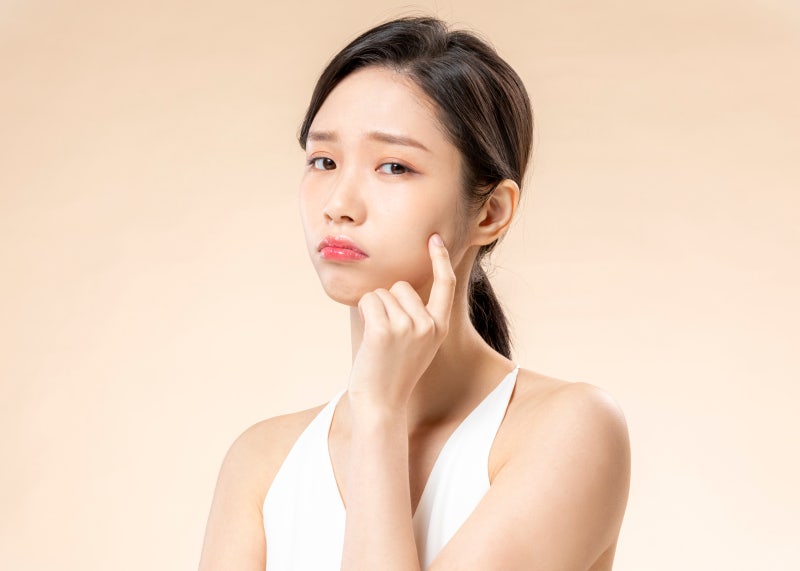
Recently, interest in facial appearance has reached an unprecedented level. Rather than simply stopping at skincare, an increasing number of people are paying meticulous attention to facial shape, contours, and proportions, giving rise to various new terms. This reflects how beauty standards have become more specialized, and the depth of individual aesthetic concerns has deepened as well.
Concerns regarding facial shape are especially common among many individuals. People often analyze their face in the mirror, trying to determine for themselves whether their concerns are related to fat, muscle, or skeletal structure. Among these, the so-called 'peanut-shaped face' refers to a structural contour where prominent cheekbones are contrasted by hollowed cheeks below. Viewed from the front, the midface appears sunken while the sides are accentuated, which often causes the entire impression to look harsh or tired.

This facial contour rarely occurs merely due to weight loss; it is frequently the result of a complex interplay between skeletal architecture, fat distribution, and skin elasticity. Consequently, while some attempt to conceal it with their hairstyle or try improvements through meridian massages or gua sha treatments, many notice no noticeable change. In such cases, an increasing number of people seek more fundamental solutions and explore procedures like Juvelook Volume in Songdo, Incheon.
Juvelook Volume is a treatment that helps restore facial balance by replenishing volume in hollowed areas. It garners significant attention because it approaches the issue not merely by filling, but by improving the underlying dermal environment as well. However, what is crucial here is clearly understanding the difference between standard Juvelook and Juvelook Volume.
Category | Juvelook | Juvelook Volume |
Purpose | Skin texture improvement, elasticity enhancement | Volume restoration and contour correction |
Target Areas | Overall skin rejuvenation | Sunken cheeks, nasolabial folds, temples, etc. |
Effect Outcome | Natural skin improvement | Noticeable volume restoration |
Treatment Feel | Relatively light rejuvenation | Expectation of three-dimensional change |
Recommended For | Concerns with loss of skin elasticity | Concerns with hollowing and lack of volume |
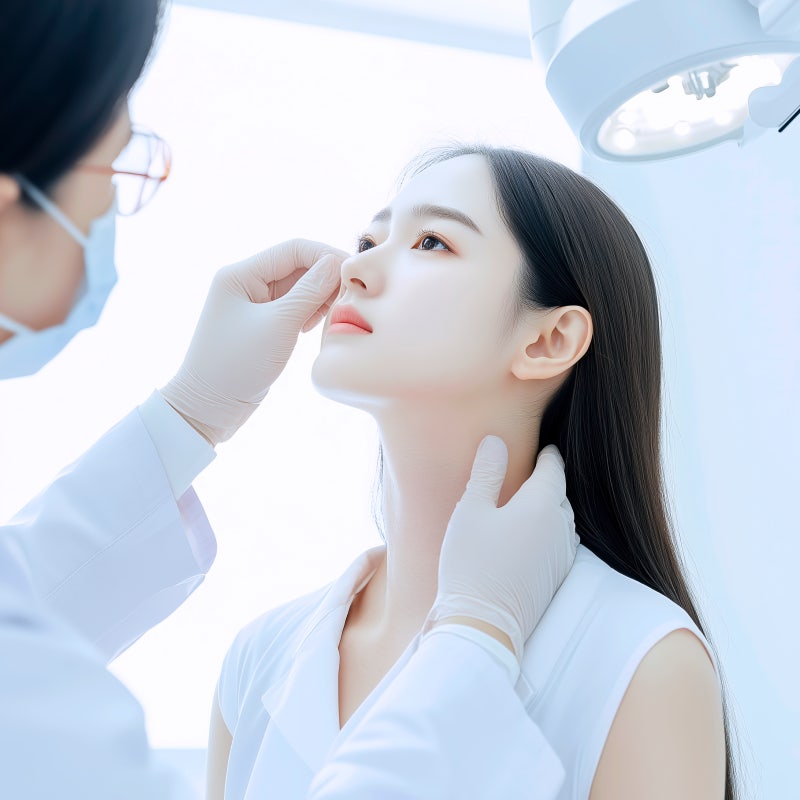
As outlined above, Juvelook Volume goes beyond simple skin improvement and focuses on restoring three-dimensional facial contour. In particular, when specific areas appear sunken—such as in a peanut-shaped face—it can help re-establish overall harmony.
Who, then, are the best candidates for Juvelook Volume?
First, those who have prominent cheekbones combined with sunken cheeks.
Second, those whose midface looks indented, lacking three-dimensional fullness.
Third, those who have lost facial volume following excessive dieting.
Fourth, those who experience facial hollowing alongside declining skin elasticity.
Fifth, those who desire natural-looking volume restoration.
If you fall into any of these categories, Juvelook Volume in Songdo, Incheon can be considered a viable option. However, it is essential to remember that your self-assessment of your facial shape may not always be accurate. What you perceive as a peanut-shaped face might actually stem from localized fat distribution or, conversely, may be predominantly influenced by underlying bone structure.

Choosing a procedure based on an incorrect assessment can lead to outcomes different from your expectations. Therefore, it is critical to receive an accurate diagnosis of your current facial condition through an in-depth consultation. Because the face is not defined by a single feature, a comprehensive approach taking fat, muscle, and bone structure into account is necessary.
Furthermore, even with the same procedure, results can vary significantly depending on the practitioner's design and injection technique. Excessive volume can produce an unnatural look, making a meticulous approach that respects personal facial proportions and harmony vital. In this regard, the medical team's experience and know-how have a profound impact on the outcome.
In conclusion, improving your facial contour should begin with an accurate understanding of your unique condition rather than simply following trends. Procedures like Juvelook Volume in Songdo, Incheon are merely one solution and may not be the definitive answer for everyone. The most crucial step is finding the right path for your face through thorough consultation and facial analysis. If you have concerns, taking the time to carefully verify the expertise and experience of the medical team will lead to far more satisfying results.
Frequently Asked Questions
What causes a peanut-shaped face?
It results from a combination of bone structure, fat distribution, and skin elasticity. Beyond simple weight loss, prominent cheekbones combined with hollow cheeks can cause the midface to look sunken, creating this distinctive contour.
What is the difference between standard Juvelook and Juvelook Volume?
There is a distinct difference in their purpose and target areas. Standard Juvelook aims to improve overall skin texture and enhance elasticity, whereas Juvelook Volume focuses on restoring three-dimensional fullness and correcting contours in hollow areas such as cheeks, nasolabial folds, and temples.
Which facial types are best suited for Juvelook Volume?
It is ideal for faces with prominent cheekbones and hollow cheeks, or those lacking three-dimensional fullness. It is also a suitable choice for volume loss after dieting or when hollowing is accompanied by declining skin elasticity, providing natural-looking restoration.
What should be kept in mind before receiving Juvelook Volume?
You must receive an accurate structural diagnosis through a thorough consultation with an experienced medical provider. Relying solely on self-diagnosis can lead to unnatural results, making it essential to analyze bone, muscle, and fat distribution holistically before establishing a tailored treatment plan.